8 Green Flags That Prove a Dog Boarding Facility Takes Safety Seriously
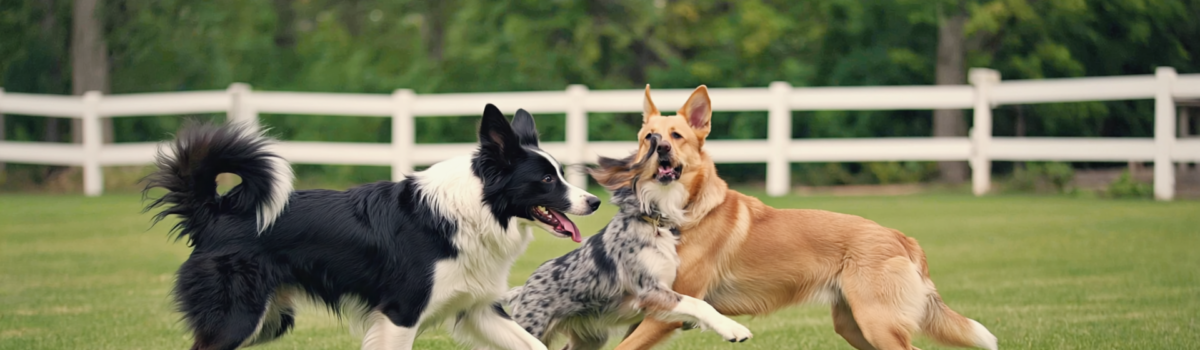
Picture this: you drop your dog off at a boarding facility for the first time. The front desk staff greets you with a smile, the lobby smells clean, and the check-in process feels smooth. But as you drive away, a familiar anxiety settles in. Did you ask the right questions? Is this place actually safe, or just well-decorated?
Oversight of the pet boarding industry varies widely from state to state and even county to county, and the gap between a genuinely accountable facility and one that merely looks the part can be enormous. Knowing what to look for beyond the surface level is what separates a pet owner who worries all week from one who enjoys their trip with real confidence. These eight green flags are the ones that matter most.
1. The Facility Is Open About Its Standards
An accountable kennel is not hiding anything. Transparency about how a facility operates is one of the strongest signals of genuine accountability in the pet care industry. A facility that takes safety seriously can clearly explain its standards for sanitation, ventilation, space, drainage, and animal welfare.
When a facility can show you its written protocols and walk you through how they are followed, you are seeing more than the facility’s own marketing materials. This matters because claimed cleanliness and documented, consistently followed cleanliness are very different things.
Before booking, ask the facility directly: “How do you handle sanitation, ventilation, and daily care, and can you walk me through it?” A trustworthy operation will answer without hesitation. If the response is vague or the staff seems unsure, that hesitation itself is informative.
At Clif Wyck Farms Kennels, we believe that kind of openness about how a facility operates is a baseline that every dog boarding safety checklist should include.
2. Transparent Intake Requirements That Prioritize Health
A safe pet kennel asks questions before it accepts your pet, not after. The intake process is one of the clearest windows into how a facility thinks about pet health and disease prevention. Facilities that take safety seriously will require documented proof of current rabies vaccination before any dog enters the boarding environment. Rabies is a legally mandated vaccine across most of the United States, and confirming it is a non-negotiable baseline for responsible facilities.
Beyond vaccination, a rigorous intake process typically includes health screening questions about recent illness, behavioral history, and flea or parasite status. Some facilities conduct a brief physical assessment when the dog arrives. These steps exist not to create paperwork but to protect every animal on the premises, including yours.
Red flags at intake include facilities that wave dogs through without reviewing any documentation, accept verbal assurances in place of records, or skip the health questionnaire entirely. The few extra minutes a thorough intake process takes are a direct investment in the safety of every dog in that building.
3. Clear Separation of Dogs by Temperament
One of the most preventable sources of injury in boarding environments is improper grouping. A facility that separates dogs thoughtfully, by energy level and play style, is one that understands dog behavior rather than simply managing headcount.
When you tour a facility, ask how play groups are structured and what the staff-to-dog ratio looks like during group time. Ask whether new dogs are introduced gradually or placed directly into group play on day one. The answers reveal whether the facility manages play proactively or reactively. A proactive approach is generally the safer model.
4. Staff Who Can Describe Their Emergency Protocols Clearly
Every safe dog kennel has a written plan for medical emergencies, and its staff can explain it without scrambling for an answer. This is a green flag that many pet owners overlook because the question feels uncomfortable to ask. Ask it anyway.
A well-run facility will have a designated veterinary partner or emergency animal hospital on call. Staff will know the address, the phone number, and the protocol for authorizing treatment when an owner is unreachable. They will also have a clear chain of command: who makes the call, who contacts the owner, and who accompanies the dog if transport is needed.
Beyond medical emergencies, fire evacuation plans and severe weather protocols should exist and be posted visibly. Ask the front desk what happens to the dogs if the power goes out for an extended period, especially in summer heat. A confident, detailed answer is a green flag. A blank stare is not.
| What to Ask | Green Flag Response | Red Flag Response |
|---|---|---|
| Which vet do you use in emergencies? | ✅ Named clinic, address, and protocol provided immediately | ❌ “We’d call the owner first and figure it out” |
| What happens during a fire or evacuation? | ✅ Written evacuation plan, designated safe location stated | ❌ “We haven’t had that happen before” |
| How is illness handled if my dog shows symptoms? | ✅ Isolation protocol described, owner notification timeline given | ❌ “We’d monitor it and let you know eventually” |
| Is there overnight staff supervision? | ✅ Clear yes or no, with specific coverage hours explained | ❌ “The dogs are checked on regularly” (vague) |
5. A Genuine Willingness to Let You Tour the Facility
Accountable pet care facilities invite tours. A flat no-tour policy, or a tour that conveniently skips the kennel runs and cleaning areas without explanation, should raise questions. Some facilities limit access to kennel areas to keep disease out and the dogs calm, so ask why, and whether you can see those areas another way, such as through a viewing window or at a quieter time. The areas where dogs actually sleep, eat, and relieve themselves are the ones that matter most, not the lobby.
During a tour, pay attention to odor. A well-maintained kennel will not smell like bleach masking something worse, nor will it have the sharp ammonia smell of infrequently cleaned runs. Proper ventilation and regular disinfection produce a facility that smells neutral, not heavily perfumed and not foul.
Look at the kennel run surfaces. Are they intact or cracked and porous? Porous and cracked surfaces are much harder to disinfect thoroughly and can harbor bacteria even with regular cleaning. Check whether water bowls are clean and full. Notice whether the dogs already boarding seem calm and settled, or whether the environment feels chaotic and overstimulating. A brief tour reveals more than any brochure.
6. Documented Cleaning and Sanitation Schedules
The difference between a clean-looking facility and a genuinely sanitary one lies in the consistency and documentation of its cleaning protocols. A responsible facility does not clean when things look dirty. It follows a schedule and documents the process.
Ask whether the facility uses disinfectants that are effective against common canine pathogens and whether those products are approved for animal contact surfaces. Ask how often kennel runs are cleaned throughout the day and what the protocol is when a dog has a digestive incident in a shared play space.
Some facilities post their cleaning schedules visibly. Others will walk you through the process verbally. Either approach is a good sign. Facilities that respond to sanitation questions with a shrug or a “we keep it clean” non-answer have not standardized the process, which means cleaning quality depends entirely on whoever is working that day.
7. Nutrition and Feeding Practices That Respect Your Instructions
A safe boarding facility treats your dog’s feeding routine as a medical matter, not an afterthought. Dogs on specialized diets, including raw, fresh, or limited-ingredient foods, require precise feeding protocols. A facility that dismisses your instructions or defaults to a generic kibble without discussion is not paying attention to the details that keep your dog healthy.
For pet owners following a raw or fresh feeding approach, this is especially important. Improper storage of raw food or contamination from cross-contact with other food types can cause illness. A knowledgeable facility will ask about your dog’s diet during intake, have appropriate refrigeration or freezer space, and feed each dog separately to avoid food competition or accidental diet mixing.
Ask whether the facility records each feeding and flags any changes in appetite. A dog that stops eating during boarding can be an early indicator of stress or illness. Facilities that track this and communicate it to owners are demonstrating exactly the kind of attentive care that separates professional operations from casual setups.
8. Accurate Records, Kept Both Digitally and on Paper
Accountable pet care facilities keep careful records because accuracy matters when a pet’s health history is involved. Vaccination records, emergency contacts, feeding instructions, and behavioral notes need to be accurate, legible, and quick to find in an emergency.
Clif Wyck Farms Kennels keeps both digital and paper-based records. Whichever system a facility uses, ask how it keeps records accurate and up to date, and how quickly staff covering a shift can find a pet’s information.
A facility that keeps careful records is also signaling a broader commitment to operational professionalism. That attention to detail often goes hand in hand with care in other areas, such as sanitation and staffing. The systems are connected: facilities that take administration seriously tend to take animal welfare seriously too.
Frequently Asked Questions About Dog Boarding Safety
How do I know if a boarding facility meets safety standards?
Ask the facility directly about its intake requirements, sanitation schedule and emergency protocols, and request a tour that includes the kennel runs and cleaning areas. A trustworthy facility will answer clearly and show you around without hesitation.
Is it safe to board a dog that has never been boarded before?
Yes, with preparation. A trial daycare visit before a longer boarding stay helps your dog adjust to the environment, the smells, and the staff before being left overnight.
What vaccination records do I need to bring?
At minimum, a current rabies vaccination certificate is required by most boarding facilities. Bring documentation from your veterinarian showing the vaccine date and expiration. Contact the specific facility before your visit to confirm their exact requirements.
What should I pack for my dog’s boarding stay?
Bring your dog’s regular food (pre-portioned if possible), any medications with clear written instructions, a toy, treats, and emergency contact information including your vet’s number. At Clif Wyck, clothing, blankets, bed liners and bedding from home are not permitted.
What should I ask before booking a boarding facility?
Ask to tour the actual kennel runs, ask which veterinary clinic they use in emergencies, how often runs are cleaned, what their intake and vaccination requirements are, and whether staff are present overnight. A trustworthy facility will answer clearly and without hesitation.
What is the ideal staff-to-dog ratio during group play?
There is no single federally mandated ratio, but many well-run facilities maintain one staff member for every 10 to 15 dogs during active play, with lower ratios for large or high-energy groups. Ask the facility what their ratio is and how they handle it when staffing is short.
Are overnight staff required at boarding kennels?
Requirements vary by state and locality, and many jurisdictions do not specifically require overnight staffing. Ask the facility explicitly whether staff are present overnight or whether dogs are left unsupervised after closing hours. This is a critical safety question, not a rude one.
How do I prepare my dog’s food for a boarding stay if they eat a raw diet?
Pre-portion each meal in labeled, sealed containers or bags. Include feeding instructions in writing, including portion size and frequency. Confirm in advance that the facility has adequate refrigeration and is experienced handling raw food safely.
Key Takeaways for Finding a Boarding Facility You Can Trust
- Accountability is the baseline. A facility that answers your questions openly and can show you its protocols is offering verification, not just a marketing claim.
- Intake requirements signal seriousness. Facilities that verify rabies vaccination and ask health screening questions before accepting your pet are protecting every animal on the premises.
- Tour the actual kennel runs, not just the lobby. Odor, surface condition, and the demeanor of dogs already boarding tell you everything.
- Ask about emergency protocols directly. A well-run operation has a named vet partner, a written evacuation plan, and staff who can explain both without hesitation.
- Feeding instructions matter. A facility that respects your dog’s diet and tracks appetite changes is paying attention to the right details.
- Accurate, easy-to-find records reflect operational discipline. A good facility keeps records that are accurate and accessible in an emergency; Clif Wyck Farms Kennels keeps both digital and paper-based records.
- The best dog boarding safety tips are not about finding perfection. They are about finding accountability, and these green flags show you exactly where to look.

About the author
Clif Wyck Editorial Team
Learn More