Dog Spa Services Explained: What Happens During a Professional Grooming Appointment and Why It Matters
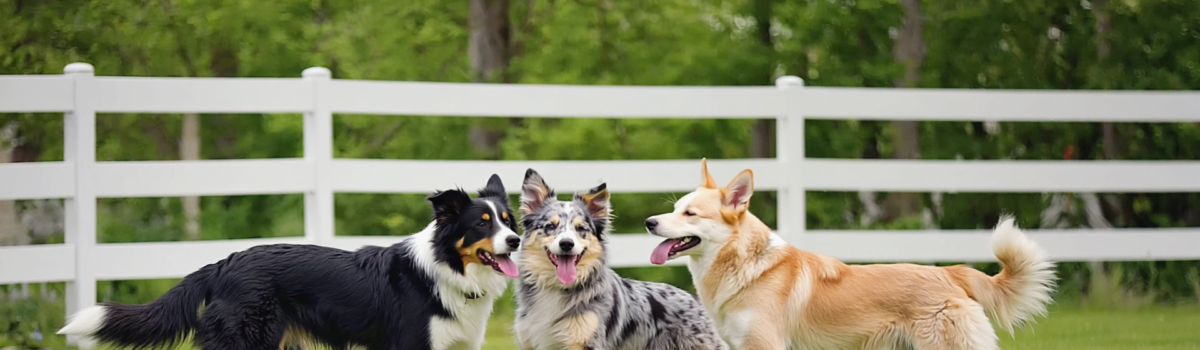
Most dog owners think of grooming as a cosmetic service: a bath, a trim, maybe a spritz of something that smells nice. But a well-run dog spa service appointment offers more than a beauty treatment: it’s a chance for a trained set of eyes to notice changes worth mentioning to your veterinarian. A trained groomer spends more focused, hands-on time examining your dog’s skin, coat, ears, nails, and paws than most pet owners do in a month. What they find, and how they flag it, can help you get problems to your vet before they become expensive.
This guide breaks down exactly what happens during a professional grooming appointment, compares the most common service tiers, and explains the health benefits that make regular grooming far more than an indulgence.
The Full-Service Spa Appointment vs. the Basic Bath: What’s Actually Different?
The most important decision most pet owners face is whether to book a basic bath or a full dog grooming and spa package. The difference is not just time or price, it’s the depth of care your dog receives from start to finish.
A basic bath covers shampoo, rinse, blow-dry, and a quick brush-out. It gets your dog clean, which matters, but it stops there. A full-service spa appointment wraps that bath inside a comprehensive service sequence: pre-bath brush-out to remove loose undercoat, shampoo and conditioning treatment suited to your dog’s coat type, blow-dry and finish brush, nail trim or grind, ear cleaning, paw pad inspection, and often a light cologne or bandana finish.
| Service | Basic Bath | Full Spa Package |
|---|---|---|
| Shampoo & rinse | ✅ | ✅ |
| Conditioning treatment | ❌ | ✅ |
| Pre-bath deshedding brush | ❌ | ✅ |
| Nail trim or grind | ⚠️ Sometimes add-on | ✅ Included |
| Ear cleaning | ❌ | ✅ |
| Paw pad inspection | ❌ | ✅ |
| Haircut | ❌ | ✅ (where applicable) |
| Skin & coat assessment | ❌ | ✅ |
The takeaway: a basic bath is maintenance. A full spa package adds hands-on checks that support your dog’s preventive care alongside regular veterinary visits, with a clean dog as the bonus.
What Actually Happens During Dog Bathing and Grooming Services
Understanding the sequence helps you ask better questions and set the right expectations when you drop your dog off. Dog bathing and grooming services at a professional facility follow a deliberate order, and each step has a specific purpose.
Pre-Bath Assessment and Brush-Out
Before water touches your dog, a skilled groomer runs their hands through the coat and checks for mats, skin irritation, lumps, hot spots, and flea activity. Finding a mat after bathing is a problem, wet mats tighten and become nearly impossible to detangle without cutting. The pre-bath brush removes loose undercoat, which also makes the shampoo penetrate more effectively.
Shampoo Selection and the Bath Itself
Professional facilities use shampoos matched to coat type and skin condition: moisturizing formulas for dry or flaky skin, clarifying shampoos for oily coats, hypoallergenic options for sensitive dogs. Water temperature is controlled carefully because a dog’s skin is more sensitive than human skin. After shampooing, a conditioning rinse is worked through to restore moisture stripped during the wash.
Drying: The Step That Matters More Than People Realize
Incomplete drying can contribute to post-grooming skin problems. Moisture trapped close to the skin can create the warm, humid environment that yeast and bacteria thrive in. High-velocity dryers used by professional groomers remove water from the undercoat efficiently without the heat levels that home hair dryers can generate. This step is also when groomers get another chance to inspect the skin as the coat opens up under airflow.
Nail Trimming and Grinding
Overgrown nails change the way a dog distributes weight across its paws, which places uneven stress on joints over time. Nail grinding (using a rotary tool rather than clippers) smooths the edge after trimming and reduces the risk of cracking. Groomers are trained to identify the quick even in dark-nailed dogs, where the blood vessel isn’t visible to the naked eye.
Ear Cleaning
The ear canal is one of the most commonly neglected areas in at-home dog care. Debris, moisture, and wax buildup create conditions favorable to infection, particularly in floppy-eared breeds like Cocker Spaniels, Basset Hounds, and Golden Retrievers. Professional ear cleaning uses a veterinarian-approved solution to break down buildup without irritating the delicate canal lining. If a groomer notices unusual odor, discharge, or signs of inflammation, they will flag it for veterinary follow-up.
Why Professional Dog Grooming Is a Dog Health Tool, Not Just Aesthetics
Professional dog grooming is one of the most underused tools in preventive pet care. The hands-on, systematic nature of a grooming appointment means trained eyes and hands cover every square inch of your dog’s exterior, something that doesn’t happen during a typical play session or even a quick home brush.
Here’s what a groomer may notice and flag for your veterinarian to check:
- Skin masses and lumps hidden under thick coats
- Early-stage hot spots before they break open
- Parasite activity including flea dirt and tick attachment
- Interdigital cysts forming between toe pads
- Ear infections in early, treatable stages
- Dental concerns visible during muzzle and jaw handling
This is one reason that shifting from reactive to proactive dog health care often includes regular grooming as a core habit, not an occasional luxury. Regular grooming creates a documented baseline: if something changes in your dog’s skin, coat, or ear health between appointments, a good groomer will notice it. That pattern recognition is genuinely valuable for your dog’s long-term health.
How Often Should Your Dog Be Professionally Groomed?
Grooming frequency depends on coat type, lifestyle, and the services involved. There is no single schedule that fits every dog.
| Coat Type / Breed Example | Full Spa Frequency | Nail Trim Frequency |
|---|---|---|
| Short, smooth coat (Beagle, Boxer) | Every 8–12 weeks | Every 4–6 weeks |
| Double coat, heavy shedding (Husky, Lab) | Every 6–8 weeks | Every 4–6 weeks |
| Continuously growing coat (Poodle, Doodle) | Every 4–6 weeks | Every 4 weeks |
| Wiry or terrier coat (Schnauzer, Wire Fox) | Every 6–8 weeks | Every 4–6 weeks |
| Long, silky coat (Shih Tzu, Maltese) | Every 4–6 weeks | Every 4 weeks |
Nail trims warrant their own schedule because nails grow independently of coat condition. A dog that walks primarily on grass and soft surfaces will need more frequent trims than one that walks daily on concrete, which naturally files the nails down.
What Makes a Professional Facility Different From a Home Groomer
Choosing where your dog gets groomed is as important as the service itself. Quality and safety vary widely between grooming providers. Established professional facilities like Clif Wyck Farms Kennels maintain consistent, documented protocols to ensure quality care.
What that accountability looks like in practice:
- Sanitation protocols for tubs, tables, tools, and dryers between every dog
- Temperature and ventilation standards in grooming and drying areas
- Documentation of services performed and any health observations flagged
- Staff training requirements and oversight
When you combine spa services with boarding or day care at the same licensed facility, you also eliminate the stress of multiple drop-offs. Your dog can be groomed during a day care session and go home clean without a separate appointment, a practical convenience that pet owners consistently value. You can explore the doggy day care options at Clif Wyck Farms and see how easily spa services fit into the same visit.
For those thinking about dog health tips more broadly, nutrition and grooming work together. A dog on a high-quality, balanced diet with the right fatty acids will tend to have a healthier coat and skin, which makes grooming easier and the results longer-lasting. What you put inside your dog shows up on the outside.
Frequently Asked Questions About Dog Spa Services
How long does a professional grooming appointment take?
Most full-service spa appointments run between 2 and 4 hours, depending on the dog’s size, coat condition, and breed. Dogs requiring a full haircut and deshedding treatment take longer than short-coated dogs receiving a bath and nail trim.
Is professional grooming safe for puppies?
Yes, and starting early is recommended. Gently introducing puppies to bathing, blow-drying, nail handling, and grooming tables while they are young can help reduce anxiety during future appointments. Check with your veterinarian and the facility about which vaccinations your puppy needs before their first visit. Many facilities offer introductory “puppy bath” sessions to build positive associations.
What should I tell the groomer before the appointment?
Let the groomer know about any skin conditions, areas your dog is sensitive about (ears, paws, rear), current medications, and how your dog typically behaves during handling. This allows the groomer to adjust their approach and flag anything unusual.
Can grooming help with shedding?
Yes. A professional deshedding treatment using appropriate tools and high-velocity drying can remove a large amount of loose undercoat, which can noticeably reduce shedding in the home for a while afterward, depending on your dog’s coat and the season.
What is nail grinding vs. nail clipping?
Clipping cuts the nail with a scissor-style or guillotine clipper. Grinding uses a rotary tool (like a Dremel) to file the nail down gradually. Grinding reduces the risk of splitting and creates a smoother edge, but takes slightly longer. Many groomers use both: clip first, then grind the edge smooth.
Do groomers check for fleas and ticks?
Yes. The pre-bath brush-out and bath itself are natural opportunities to spot flea dirt, live fleas, or attached ticks. A good groomer will alert you immediately if they find evidence of parasites.
What if my dog has matted fur?
Severely matted coats often require shaving rather than detangling, because pulling mats out causes real pain and can damage the skin. Groomers will discuss options with you before proceeding. The best prevention is regular brushing between appointments and not waiting too long between grooming visits.
Does my dog need to be vaccinated for a grooming appointment?
A current rabies vaccination is typically required by professional grooming facilities. Requirements beyond that vary by facility, so check with your groomer in advance.
Key Takeaways: Making the Most of Dog Spa Services
- A full spa appointment supports preventive care, not just aesthetics. Groomers can spot skin, ear, nail, and coat changes that owners may miss and that are worth raising with your veterinarian.
- The difference between a basic bath and a full spa package is significant: conditioning, ear cleaning, nail work, and a skin assessment are what elevate a wash into a health service.
- Frequency matters. Continuously growing coats need grooming every 4–6 weeks; even short-coated breeds benefit from professional baths every 8–12 weeks and nail trims every 4–6 weeks.
- Choose a professional facility that follows clear sanitation and safety protocols for tubs, tables, tools and dryers between every dog.
- Combining grooming with day care at the same facility is efficient and reduces stress for your dog by keeping drop-offs to one location.
- Diet supports grooming outcomes. Dogs on nutrient-dense diets tend to have healthier skin and coats that respond better to professional treatments.
Booking your dog’s next spa appointment is a simple step that supports their everyday care alongside regular veterinary visits. Clean ears, trimmed nails, a healthy coat, and an attentive set of trained hands checking for changes, that combination pays dividends well beyond the day of the appointment. Review the full dog services and pricing at Clif Wyck Farms to find the right package for your dog’s coat type and schedule.

About the author
Clif Wyck Editorial Team
Learn More